MD · DC · VA(301) 881-1115

Hardwood Flooring Installation & Refinishing

Premium hardwood floor installation, refinishing, and repair for homes and businesses throughout Maryland and DC.

Why Choose 2020 Flooring for Hardwood Flooring?

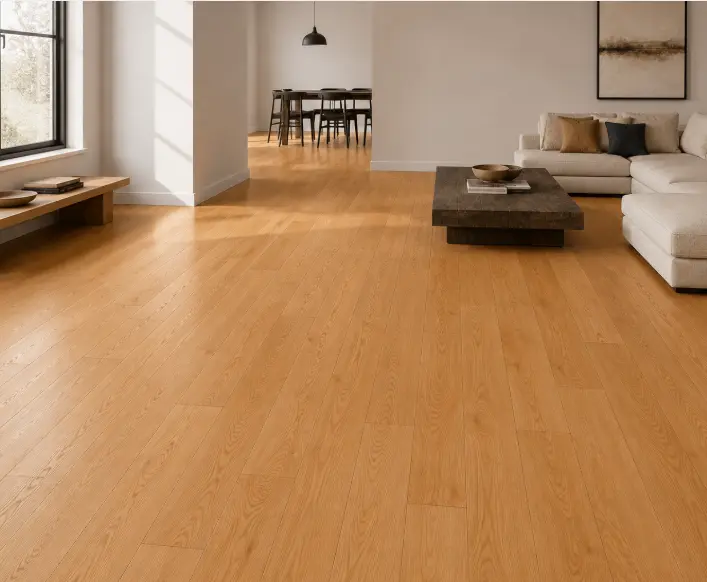
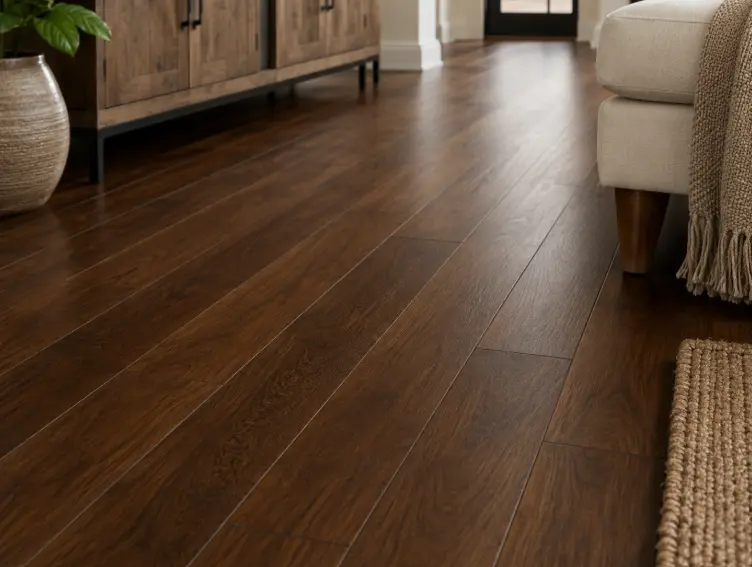
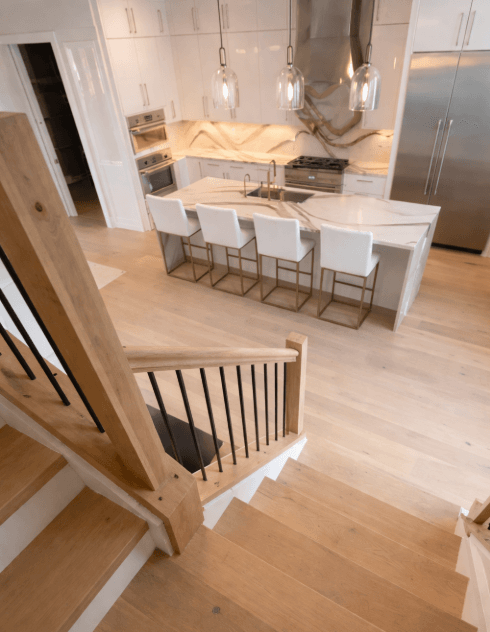
From classic solid oak to modern engineered hardwood, we provide expert installation, refinishing, and repair services. Our team works with all hardwood species and finishes to create the perfect floor for your space.

Whether you are choosing new solid hardwood for a traditional look, engineered hardwood for moisture-prone areas, or refinishing existing floors to restore their original beauty, our certified installers bring decades of combined experience to every project. We handle everything from subfloor preparation and material selection to precision installation and custom staining.

Solid hardwood installation
Engineered hardwood installation
Dustless sanding and refinishing
Custom staining and finishing
Hardwood floor repair
Prefinished and site-finished options

Popular Hardwood Species We Install

Oak (Red & White)

The most popular hardwood species in America. Red oak features warm, rosy tones with prominent grain patterns, while white oak offers a cooler, more subtle look with superior moisture resistance. Both are incredibly durable and take stain beautifully.

Maple

A hard, dense wood with a light, creamy color and subtle grain pattern. Maple is one of the hardest domestic species, making it ideal for high-traffic areas. It delivers a clean, contemporary look popular in modern homes.

Walnut

Prized for its rich, dark chocolate tones and flowing grain, walnut is a premium choice that adds warmth and sophistication to any room. It is softer than oak, so it is best suited for bedrooms, dining rooms, and formal living spaces.

Hickory

The hardest domestic wood species, hickory features dramatic color variation ranging from creamy white sapwood to rich brown heartwood. Its rustic character and extreme durability make it perfect for active households with kids and pets.

From our blog

Hardwood Flooring 101: Choosing a Wood Species

Not sure which species fits your lifestyle and budget? Our guide compares oak, walnut, maple, hickory, and more.

Read the guide →

Find Your Perfect Hardwood

Compare 20 American hardwood species by hardness, price, availability, and intended use. Data sourced from the American Hardwoods Collection Species Guide.

20 of 20 species

Hickory / Pecan

Carya spp.

Mid-RangeReadily Available

The hardest and heaviest commercially available American hardwood. Dramatic color variation from creamy white sapwood to rich brown heartwood creates a rustic, one-of-a-kind look. Requires pre-boring for nailing.

Janka Hardness (lbf)

2,140

Heartwood Color

Pale to reddish brown heartwood; white sapwood tinged with brown

Grain & Texture

Heaviest American hardwood; bold, rustic character with dramatic color variation

Distribution

Eastern U.S.; Central and Southern states

Working Properties

StrengthShock resistanceSteam bending

Main Uses

Tool handles, furniture, cabinetry, flooring, wooden ladders, dowels, sporting goods

White Oak

Quercus spp.~8 commercial species

Mid-RangeReadily Available

Harder and more moisture-resistant than Red Oak thanks to its closed grain structure. The most popular species for contemporary and farmhouse-style flooring. Longer ray flecks create more visual figure.

Janka Hardness (lbf)

1,620

Heartwood Color

Light-to-dark brown heartwood; light-colored sapwood; more figure than Red Oak

Grain & Texture

Mostly straight-grained; medium-to-coarse texture; great wear resistance

Distribution

Throughout Eastern U.S.

Working Properties

MachiningFinishingWear resistanceSteam bending

Main Uses

Furniture, flooring, architectural millwork, moulding, doors, kitchen cabinets, paneling, barrel staves, caskets

Red Oak

Quercus spp.~8 commercial species

Budget-FriendlyReadily Available

The most widely used American hardwood species, making up over 30% of all hardwood volume. Warm pinkish-red tones with bold grain character. Excellent value, readily available, and takes stain beautifully.

Janka Hardness (lbf)

1,510

Heartwood Color

Pinkish-reddish brown heartwood; white to light brown sapwood

Grain & Texture

Mostly straight-grained; coarse texture; prominent cathedral grain

Distribution

Throughout Eastern U.S. (>30% of all hardwood volume)

Working Properties

MachiningFinishingHigh crushing strength

Main Uses

Furniture, flooring, architectural millwork, moulding, doors, kitchen cabinets, paneling, caskets

Birch

Betula alleghaniensis

Mid-RangeAvailable

A hard, strong wood that takes stain exceptionally well — often used as a more affordable substitute for cherry or walnut. Fine, uniform texture with occasional curly figure that adds visual interest.

Janka Hardness (lbf)

1,470

Heartwood Color

Light reddish brown heartwood; white sapwood

Grain & Texture

Generally straight-grained; fine, uniform texture; plain, often curly or wavy pattern

Distribution

Eastern U.S.; Northern and Lake states

Working Properties

FinishingTakes stain extremely wellHard and strong

Main Uses

Furniture, millwork, paneling, doors, flooring, kitchen cabinets, turnings, toys

Hard Maple

Acer saccharum / Acer nigrumSugar maple, black maple

Mid-RangeReadily Available

The gold standard for light-colored hardwood flooring. Exceptional abrasion resistance makes it the go-to for high-traffic areas, gym floors, and bowling alleys. Clean, contemporary look with minimal grain.

Janka Hardness (lbf)

1,450

Heartwood Color

Light to dark reddish brown heartwood; creamy white sapwood with slight reddish brown tinge

Grain & Texture

Close, fine texture; generally straight-grained; high abrasion resistance

Distribution

Eastern U.S.; Mid-Atlantic and Lake states

Working Properties

FinishingAbrasion resistanceSteam bending

Main Uses

Flooring, furniture, paneling, gym/ballroom floors, kitchen cabinets, worktops, butcher blocks, kitchenware, toys, stairs, handrails

Ash

Fraxinus spp.

Budget-FriendlyReadily Available

A strong, shock-resistant hardwood with bold grain similar to oak but in lighter, more neutral tones. Excellent value for flooring and furniture. Its flexibility makes it ideal for steam bending and sporting equipment.

Janka Hardness (lbf)

1,320

Heartwood Color

Grayish or light brown to pale yellow streaked with brown

Grain & Texture

Generally straight-grained; coarse uniform texture

Distribution

Throughout Eastern U.S.

Working Properties

Machines wellShock resistanceSteam bending

Main Uses

Furniture, flooring, doors, millwork, kitchen cabinets, paneling, tool handles, baseball bats, sporting equipment

Elm

Ulmus rubra

Mid-RangeAvailable

A tough, shock-resistant wood with interlocked grain that makes it nearly impossible to split. Attractive reddish-brown tones work well for furniture and flooring where character and durability matter.

Janka Hardness (lbf)

1,320

Heartwood Color

Reddish brown to dark brown heartwood; grayish white to light brown narrow sapwood

Grain & Texture

Straight to often interlocked grain; coarse texture; difficult to split

Distribution

Eastern to Midwest U.S.

Working Properties

NailingScrewingGluingExcellent shock resistance

Main Uses

Furniture, cabinet making, flooring, millwork, paneling, caskets

Walnut

Juglans nigra

PremiumAvailable

America's premier dark hardwood. Rich chocolate-brown tones with occasional purplish cast — naturally beautiful without staining. Excellent dimensional stability and a silky finish that polishes to a high sheen.

Janka Hardness (lbf)

1,010

Heartwood Color

Light brown to dark chocolate brown; occasionally purplish cast; creamy white sapwood

Grain & Texture

Generally straight-grained; sometimes wavy or curly for decorative figure; good dimensional stability

Distribution

Eastern U.S.; principally Central states

Working Properties

MachiningFinishingExcellent polishSteam bending

Main Uses

Furniture, cabinets, architectural millwork, doors, flooring, paneling, gun stocks; favored for contrast with lighter species

Cherry

Prunus serotina

PremiumReadily Available

One of America's most prized cabinet woods. Rich red tones deepen beautifully with age and light exposure, developing a warm patina. Satiny smooth texture machines to an excellent finish without heavy sanding.

Janka Hardness (lbf)

950

Heartwood Color

Rich red to reddish brown; darkens with age and light exposure; creamy white sapwood

Grain & Texture

Straight-grain; fine, uniform, satiny and smooth texture; may have brown pith flecks

Distribution

Midwestern & Eastern U.S.; principally PA, VA, WV, NY

Working Properties

MachiningFinishingExcellent smooth finish

Main Uses

Fine furniture, cabinet making, moulding, millwork, kitchen cabinets, paneling, flooring, doors, boat interiors, musical instruments

Soft Maple

Acer rubrum / Acer saccharinumRed maple, silver maple, box elder

Budget-FriendlyReadily Available

A readily available, more affordable alternative to Hard Maple. About 25% softer but still strong enough for most furniture and cabinetry. Finishes beautifully and often sold unselected for color.

Janka Hardness (lbf)

950

Heartwood Color

Light-to-dark reddish brown heartwood; greyish-white sapwood; may have pith flecks

Grain & Texture

Usually straight-grained; 25% less hard than Hard Maple; good steam-bending

Distribution

Throughout Eastern U.S.

Working Properties

FinishingMachines wellHard Maple substitute

Main Uses

Furniture, paneling, millwork, kitchen cabinets, moulding, doors, musical instruments, turnings

Hackberry

Celtis occidentalisSugarberry

Budget-FriendlyAvailable

An underappreciated hardwood with good shock resistance and steam-bending properties. Fine, uniform texture planes and turns nicely. Best available in cut stock; susceptible to blue staining if not dried properly.

Janka Hardness (lbf)

880

Heartwood Color

Yellowish grey to light brown with yellow streaks; little sapwood/heartwood contrast

Grain & Texture

Irregular grain, occasionally straight but sometimes interlocked; fine, uniform texture

Distribution

Eastern U.S.

Working Properties

Good steam-bendingHigh shock resistancePlanes and turns well

Main Uses

Furniture, kitchen cabinets, millwork, doors, moulding

Gum (Sweetgum)

Liquidambar styracifluaRedgum, sapgum

Budget-FriendlyReadily Available

An affordable hardwood that mimics walnut beautifully when stained. Reddish-brown heartwood with attractive dark streaks and a fine, uniform texture. Widely available and one of the best-value domestic species.

Janka Hardness (lbf)

850

Heartwood Color

Reddish brown heartwood with darker streaks; white to light pink sapwood

Grain & Texture

Irregular, usually interlocked grain; produces attractive figure; fine, uniform texture

Distribution

Throughout Southeastern U.S.

Working Properties

FinishingTakes stain easilyWalnut substitute when stained

Main Uses

Cabinet making, furniture parts, doors, millwork, strips, moulding, turnings, rail ties

Pacific Coast Maple

Acer macrophyllumBig leaf maple

Mid-RangeAvailable

A West Coast alternative to Hard Maple with a softer, more workable character. Fine grain similar to birch and cherry, with good stability once dried. Excellent for turnings and carved details.

Janka Hardness (lbf)

850

Heartwood Color

Pale pinkish-brown to almost white; minimal sapwood/heartwood contrast

Grain & Texture

Fine grain similar to birch and cherry; good dimensional stability after drying

Distribution

Pacific Northwest

Working Properties

MachiningFinishingExcellent turning

Main Uses

Furniture, kitchen cabinets, doors, shutters, moulding, panel stock, turnings, carvings, kitchen utensils

Sycamore

Platanus occidentalisButtonwood

Budget-FriendlyAvailable

A distinctive species with fine, close texture and interlocked grain that resists splitting. Contrasts well with other species in mixed designs. Requires high-speed cutters and care during drying to prevent warping.

Janka Hardness (lbf)

770

Heartwood Color

Light-to-dark brown heartwood; white to light yellow sapwood

Grain & Texture

Fine, close texture with interlocked grain; resistant to splitting

Distribution

Throughout Eastern U.S.

Working Properties

NailingScrewingTurns well on lathe

Main Uses

Furniture, furniture parts (drawer sides), millwork, paneling, moulding, flooring, kitchenware, butcher blocks, toys, fruit crates

Alder

Alnus rubra

Budget-FriendlyAvailable

The most abundant commercial hardwood of the Pacific Northwest. Uniform texture and excellent machinability make it a go-to for cabinets and furniture. Takes stain and finish beautifully despite its modest hardness.

Janka Hardness (lbf)

590

Heartwood Color

Light brown with yellow or reddish tinge; almost white when freshly cut

Grain & Texture

Fairly straight-grained; uniform texture; no visible sap/heartwood boundary

Distribution

Pacific Northwest

Working Properties

MachiningFinishingGood stability

Main Uses

Furniture, kitchen cabinets, doors, shutters, moulding, turnings, carvings, kitchen utensils

Poplar

Liriodendron tulipiferaYellow poplar, tulip wood

Budget-FriendlyReadily Available

One of the most widely available and affordable domestic hardwoods. Easy to machine and finishes well with paint, enamel, or stain. Ideal for painted cabinetry and millwork where a smooth surface matters more than hardness.

Janka Hardness (lbf)

540

Heartwood Color

Pale yellowish-brown to olive green; darkens to brown with light; creamy white sapwood

Grain & Texture

Medium-to-fine texture; straight-grained; versatile and easy to machine

Distribution

Throughout Eastern U.S.

Working Properties

MachiningFinishingPaint/enamel/stain

Main Uses

Light construction, furniture, kitchen cabinets, doors, paneling, moulding, millwork, edge-glued panels, turnings, carvings

Cypress

Taxodium distichumBald cypress, red cypress, yellow cypress

Mid-RangeReadily Available

A naturally rot-resistant wood that excels in exterior applications. Straight grain resists warping, making it a top choice for siding, shutters, and trim. Also used for interior flooring and paneling.

Janka Hardness (lbf)

510

Heartwood Color

Light to dark reddish brown heartwood; pale yellow-white sapwood

Grain & Texture

Straight-grained; resists warping; technically a softwood but grouped with hardwoods

Distribution

Southern U.S.; Atlantic Coastal Plain, Gulf Coast, Mississippi Valley

Working Properties

NailingScrewingFinishing

Main Uses

Exterior siding, shutters, shingles, trim, fence posts, interior paneling, moulding, millwork, cabinetry, flooring, furniture, beams, columns

Cottonwood

Populus deltoides

Budget-FriendlyReadily Available

A widely available, soft hardwood with a neutral pale tone. Easy to nail, screw, and glue. Best for interior furniture parts, millwork, and painted applications where extreme hardness isn't required.

Janka Hardness (lbf)

430

Heartwood Color

Pale-to-light brown heartwood; white sapwood with possible brown streaks

Grain & Texture

Generally straight-grained; coarse texture; diffuse, porous wood

Distribution

Eastern U.S.; Middle and Southern states

Working Properties

NailingScrewingGlues well

Main Uses

Furniture, furniture arts, millwork, moulding, toys, kitchen utensils, Venetian blinds, shutters, caskets

Basswood

Tilia americanaLinden

Budget-FriendlyAvailable

Considered the premier American carving wood due to its fine, even texture and ease of working. Very soft, so not suitable for flooring, but unmatched for hand-carved details, turnings, and musical instruments.

Janka Hardness (lbf)

410

Heartwood Color

Pale to reddish brown; creamy white sapwood — minimal contrast

Grain & Texture

Indistinct, straight grain; fine, uniform texture

Distribution

Northern and Lake states

Working Properties

MachiningFinishingPremier carving wood

Main Uses

Carvings, turnings, furniture, pattern-making, moulding, millwork, musical instruments, Venetian blinds, shutters

Aspen

Populus tremuloidesPopple

Budget-FriendlyLimited

A very soft, lightweight hardwood with fine uniform texture. Best suited for interior furniture parts and specialty items. Rarely available in thick stock but works well for moulding, frames, and turned goods.

Janka Hardness (lbf)

350

Heartwood Color

White sapwood blending to light brown heartwood; minimal contrast

Grain & Texture

Straight-grained; fine, uniform texture

Distribution

Northeast U.S.

Working Properties

NailingScrewingGood stability

Main Uses

Furniture parts (drawer sides), doors, moulding, picture frames, millwork, toys, sauna laths, chopsticks

Janka hardness values represent Side Hardness at 12% moisture content (lbf). Data sourced from the American Hardwoods Collection Species Guide and USDA Forest Service Wood Handbook.

Installation Methods

Nail-Down Installation

The traditional method for solid hardwood over wood subfloors. Each plank is blind-nailed through the tongue at an angle for a secure, permanent bond. This method provides the most stable and long-lasting result for solid hardwood flooring.

Floating Installation

Planks click together and float over an underlayment without being attached to the subfloor. This is the preferred method for engineered hardwood, especially over concrete slabs and radiant heat systems. It allows for natural expansion and contraction.

Glue-Down Installation

Each plank is adhered directly to the subfloor with construction adhesive. Ideal for engineered hardwood over concrete or for reducing sound transmission in multi-story buildings. Provides excellent stability and minimal floor height buildup.

Pricing

Price Range
$6 – $15per sq ft installed
Note
Price varies by wood species, grade, and installation complexity. Free estimates provided.

Ready for Hardwood Floors?

Schedule a free in-home estimate. We bring samples to you so you can see how hardwood looks in your actual space and lighting.

Get a Free Quote

Our Hardwood Flooring Process

From your first call to the final walkthrough, we make hardwood flooring installation simple and stress-free.

1

Free In-Home Estimate

We measure your space, discuss options, and provide a detailed quote

1 hour
2

Material Selection

Choose from our curated selection of hardwood species, grades, and finishes

1-2 days
3

Subfloor Preparation

Ensure proper moisture levels and subfloor condition for optimal results

1 day
4

Installation

Professional installation by our certified flooring technicians

2-5 days
5

Finishing & Inspection

Final sanding, staining, and coating with quality inspection walkthrough

1-2 days

Hardwood Flooring FAQs

How long does hardwood floor installation take?

Most residential hardwood installations take 2-5 days depending on square footage and complexity. Refinishing typically adds 2-3 days for curing.

What is the difference between solid and engineered hardwood?

Solid hardwood is milled from a single piece of wood and can be refinished many times. Engineered hardwood has a real wood veneer over plywood layers, offering better moisture resistance and stability.

Do you offer dustless sanding?

Yes, we use HEPA-filtered dustless sanding systems that capture 99% of dust during the refinishing process.

Get a Free Hardwood Flooring Estimate

We bring hardwood samples directly to your home so you can see the colors, grains, and textures in your own lighting. No obligation, no pressure.