Expert Flooring Guide · 2020 Flooring · DC, Maryland & Virginia
Carpet or hardwood — it's one of the most debated flooring decisions homeowners face. Both materials have a strong case in the right room and budget, but they perform very differently on cost, resale value, comfort, and maintenance. Whether you're weighing solid hardwood or engineered hardwood against residential carpet installation, this guide breaks down everything you need to know to make the right call for your Maryland, DC, or Virginia home.
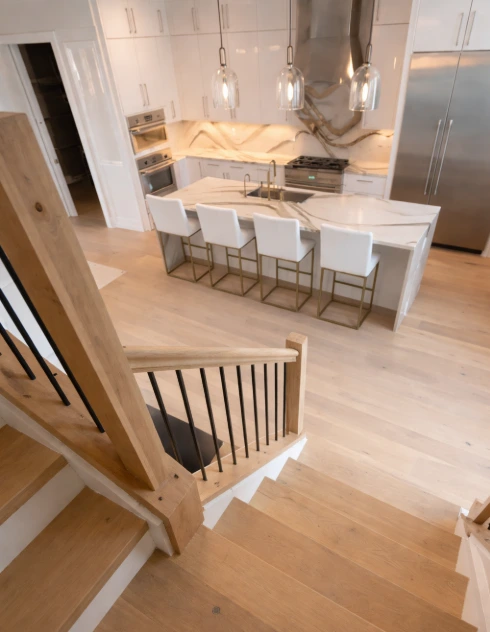
Quick Verdict: Is Carpet or Hardwood Better?
Our honest take after 30+ years of flooring installations across Maryland, DC, and Virginia.
Hardwood is the better long-term investment for most main living areas because it lasts decades, boosts resale value, and is easier to keep clean. Carpet is the better choice for bedrooms, stairs, basements, and second floors where comfort, warmth, and noise reduction matter most. The smartest setup for most homes is a hybrid: hardwood downstairs and in high-traffic zones, carpet (or hardwood with area rugs) where you want softness underfoot.
| Factor | Carpet | Hardwood |
|---|---|---|
| Upfront cost (per sq ft installed) | $3–$11 | $8–$25+ |
| Lifespan | 5–15 years | 30–100+ years |
| Resale value impact | Neutral to negative | Positive |
| Best for allergies | No | Yes |
| Comfort & warmth | Excellent | Moderate (needs rugs) |
| Noise reduction | Excellent | Poor without rugs |
| Cleaning ease | Harder | Easier |
| Refinishing | Not possible | Yes (solid hardwood) |
| Pet-friendly | Mixed | Better with sealed finish |
Ready to start planning? Get a free quote from 2020 Flooring — we serve Maryland, DC, and Northern Virginia.
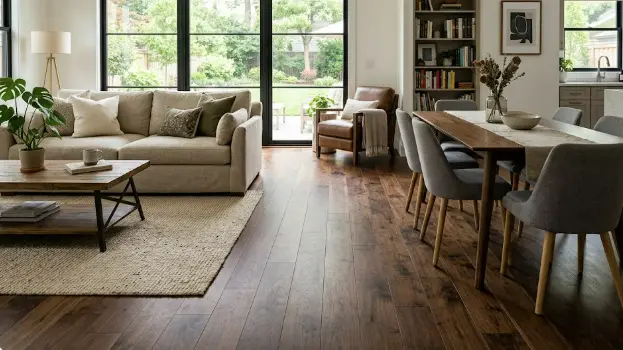
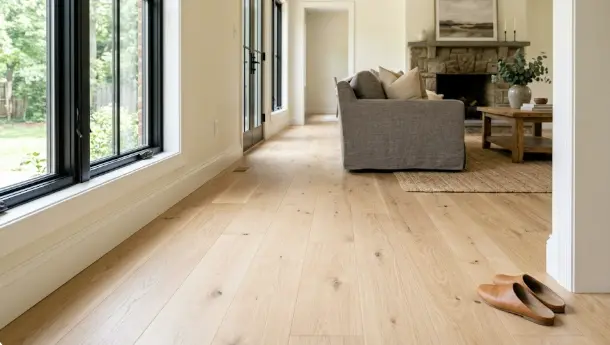
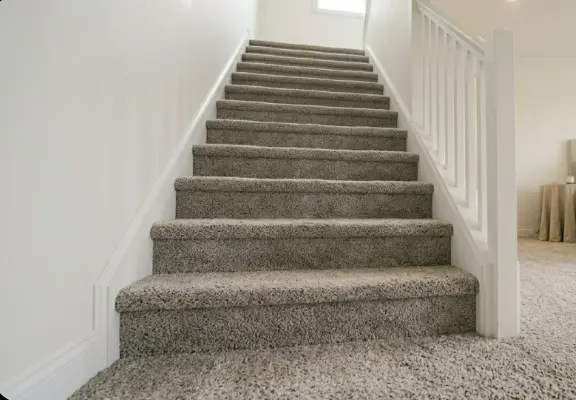
Carpet vs. Hardwood Pros and Cons
Side-by-side breakdown of durability, moisture resistance, maintenance, comfort, and more.
Carpet pros and cons
Pros: Carpet is soft, warm, and quiet, which makes it ideal for bedrooms, nurseries, and upstairs spaces. It's significantly cheaper to install upfront, cushions falls (helpful for kids and older adults), and dampens sound between floors. It also offers near-unlimited color and texture options to match any design. Carpet hides subfloor imperfections better than hardwood, making it a budget- friendly fix for older homes with uneven floors. It's also faster to install, often completed in a single day for an average bedroom.
Cons: Carpet traps dust, dander, pet hair, and allergens deep in its fibers and padding. It stains easily, wears down in high-traffic areas, and typically needs replacement every 5–15 years. It can also harbor moisture and odors, and it doesn't add the resale appeal that hardwood does.
Hardwood pros and cons
Pros: Hardwood is durable, timeless, and adds measurable resale value. Solid hardwood can last 50–100 years and be refinished multiple times, which means one investment can outlast the rest of your home's finishes. It's easier to clean, doesn't trap allergens, and works with virtually any design style. Hardwood floors increase a home's perceived quality, which matters when buyers walk through. They also pair well with rugs, allowing you to swap out softness and style without a full renovation.
Cons: Hardwood costs significantly more upfront, is louder underfoot, and feels colder in winter. It can scratch from pet claws, dent from dropped objects, and warp in humid or moisture-prone areas. Solid hardwood is also a poor choice for basements and full bathrooms.
Carpet vs. Hardwood Cost
Material costs, installation costs, and 20-year total cost of ownership for carpet vs. hardwood.
Upfront cost
Carpet is dramatically cheaper to install than hardwood. Expect to pay roughly $3–$11 per square foot installed for carpet (including padding and labor), versus $8–$25+ per square foot for solid hardwood. For a 200-square-foot bedroom, that's the difference between roughly $600–$2,200 for carpet and $1,600–$5,000+ for hardwood. Premium hardwood species like white oak, walnut, or hickory push costs higher, while builder-grade carpet keeps installations affordable for whole-home projects on a budget.
Long-term cost
Hardwood wins on long-term cost despite the higher upfront price. Carpet typically needs full replacement every 5–15 years depending on traffic, pets, and quality. Solid hardwood can be refinished 4–6 times over its lifespan for $3–$8 per square foot — far cheaper than total replacement. Over 30 years, a hardwood floor may cost less per year than carpet that has been replaced two or three times. Engineered hardwood and laminate offer middle-ground options with strong durability at lower price points.
Hidden costs to consider
Hidden costs catch homeowners off guard. For carpet, factor in professional cleaning ($150–$400 per session, often needed every 12–18 months), padding replacement, and stain treatments. For hardwood, account for subfloor leveling, area rugs (often essential for comfort and noise), refinishing every 7–10 years in high-traffic zones, and felt pads or runners to protect from scratches. Removing existing flooring also adds cost — old carpet disposal runs $1–$2 per square foot, and hardwood removal can be even higher if it's glued or nailed into a fragile subfloor.
Carpet vs. Hardwood Resale Value
What buyers really think — and how each flooring type affects your home's sale price.
Does carpet hurt resale value?
Wall-to-wall carpet generally doesn't help resale value and can hurt it in main living areas like the living room, dining room, and entryway. Most buyers expect hardwood (or hardwood-look flooring) on the main floor, and carpet in those spaces can signal an outdated home or trigger concerns about hidden stains, allergens, and wear. In bedrooms and upstairs zones, carpet has a more neutral effect — buyers expect comfort there, and fresh, neutral carpet won't generally hurt your sale.
Should you replace carpet before selling?
If your carpet is stained, worn, smells of pets, or shows clear traffic patterns, replacing it before listing usually pays off. Fresh, neutral carpet costs a few thousand dollars but can prevent buyers from dropping their offer or requesting credits. If your carpet is in good shape, a deep professional cleaning is often enough. Replacing wall-to-wall carpet in living areas with hardwood or LVP almost always boosts resale and can return 70–80% of the cost in higher offers, especially in mid-to-upper-tier markets.
Best Rooms for Carpet vs. Hardwood
Room-by-room guide: where each material performs best in your home.
Living room
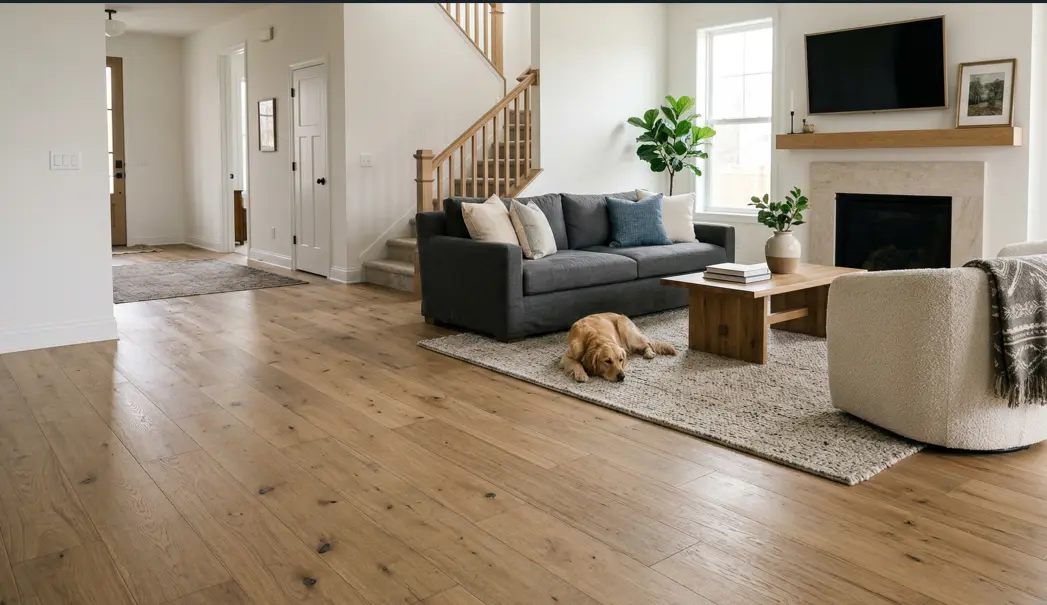
Hardwood is the clear winner for living rooms. It looks polished, handles foot traffic from guests, and pairs beautifully with area rugs to add softness where you want it. Buyers expect hardwood in the living room, and it's the single room where the resale lift is most consistent.
Bedrooms
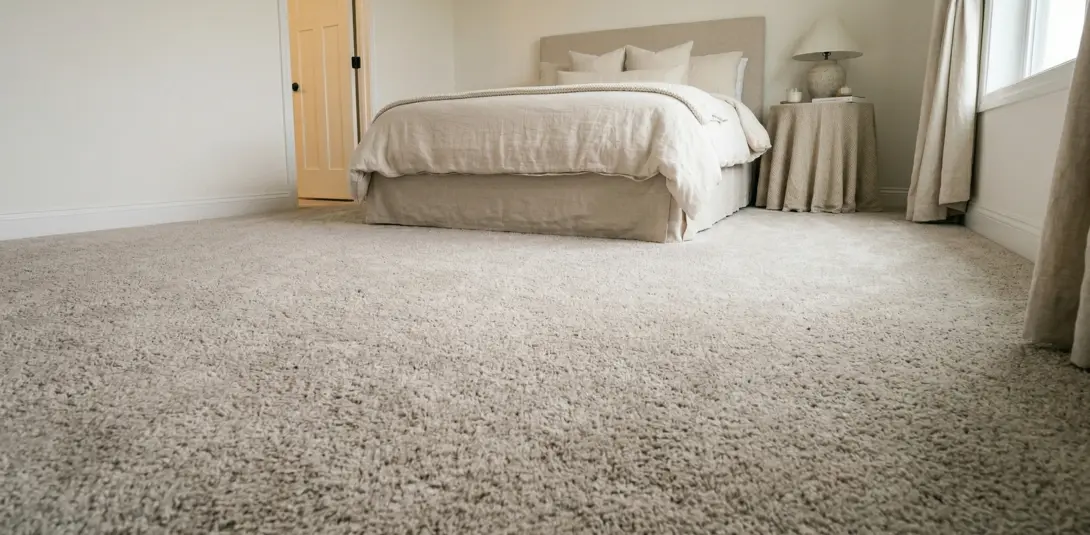
Bedrooms are where carpet still earns its keep. Bare feet in the morning, less foot traffic, and the warmth and quiet that carpet provides make it a strong choice. That said, hardwood with a large area rug under the bed gives you both comfort and a more upscale look — and it's easier to clean if you have allergies or pets.
Stairs
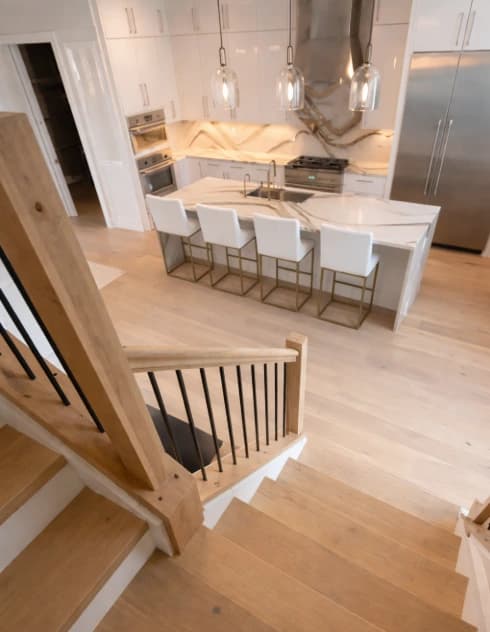
Stairs are a split decision. Carpet is safer (better grip and softer falls), quieter, and hides scuffs from heavy use. Hardwood stairs look stunning but can be slippery, especially in socks, and noisy without runners. The best compromise is hardwood stairs with a runner — the upscale look plus the safety and sound dampening.
2nd floor
Second floors traditionally use carpet because it absorbs footstep noise that travels down to the rooms below. If you have small children, pets, or anyone who works from home on the main floor, carpet (or rugs over hardwood) makes a noticeable difference. Hardwood upstairs is increasingly popular but usually requires sound-dampening underlayment to avoid the “drum effect.”
Apartments and condos
In apartments and condos, building rules often dictate the answer. Many condo associations require carpet on a percentage of upper-floor units to reduce noise complaints. Even when not required, carpet or thick rugs are usually the considerate (and quieter) choice. If you own and want hardwood, check your HOA bylaws first and budget for high-quality acoustic underlayment.
Basements, kitchens, and moisture-prone areas
Solid hardwood is a poor choice for basements, kitchens, full bathrooms, and laundry rooms because moisture causes warping, cupping, and mold. Carpet is also risky in basements due to moisture trapping. The best options for these spaces are -LVP (luxury vinyl plank), tile, or engineered hardwood with proper moisture barriers.
What Homeowners on Reddit and Facebook Say
What real homeowners say about their carpet vs. hardwood decision on Reddit and Facebook.
Living rooms: hardwood usually wins
Across home renovation forums and homeowner Facebook groups, the living room conversation is nearly settled — hardwood wins. Homeowners consistently mention three reasons: it cleans up faster, it ages well, and area rugs let you swap in softness whenever you want it. Many regret carpeted living rooms after dealing with spills, pet accidents, or worn paths after just a few years.
Bedrooms and upstairs: more divided
The bedroom and upstairs conversation is much more divided. Carpet supporters point to barefoot comfort, warmth in winter, and quieter mornings — especially with kids or roommates. Hardwood supporters emphasize allergy reduction, easier cleanup, and a more cohesive look throughout the home. Many landed on a compromise: hardwood upstairs with a thick rug under the bed.
The biggest debate: comfort vs. cleaning
The cleaning-versus-comfort debate runs through nearly every carpet vs. hardwood thread online. People with allergies, pets, or kids overwhelmingly lean toward hardwood after living with both. Homeowners who prioritize a “homey” feel — especially in cold climates — defend carpet just as strongly.
Carpet vs. Hardwood for Allergies, Pets, Kids, and Older Adults
How each flooring type affects air quality, pet safety, and family living.
Allergies and asthma
Hardwood is significantly better for allergies and asthma. Carpet fibers trap dust mites, pollen, pet dander, and mold spores, releasing them back into the air with every step. Even regular vacuuming can't reach allergens settled in the padding. Hardwood lets allergens sit on the surface where they can be wiped or vacuumed away in seconds. The American Lung Association and most allergists recommend hard surface flooring for households with respiratory issues.
Dogs and cats
Pet households generally do better with hardwood, but with caveats. Hardwood is easier to clean after accidents and doesn't trap odors the way carpet does. The downside is scratching — dog claws can damage softer woods like pine. The fix is choosing harder species (oak, hickory, maple), keeping nails trimmed, and using a durable finish. If you stick with carpet in pet households, choose stain-resistant fibers like nylon or solution-dyed polyester, and budget for more frequent cleanings.
Kids and toddlers
For toddlers learning to walk, carpet provides a safer, more forgiving surface for falls. For older kids who play, eat, and spill on the floor, hardwood is much easier to clean — juice, food, and craft supplies wipe off in seconds. Many parents start with carpet in nurseries and transition to hardwood with rugs as kids grow.
Older adults and fall risk
This is one of the more nuanced trade-offs. Carpet softens falls, which matters more with age. But carpet can also cause trips, especially at transitions or with rolling walkers and wheelchairs. Hardwood is easier for mobility devices but harder on a fall. For aging-in-place setups, low-pile carpet or hardwood with non-slip rugs (firmly anchored) tends to be the best balance.
Cleaning, Maintenance, and Lifespan
What it takes to keep each flooring type looking its best — and how long they last.
Which is easier to clean?
Hardwood is far easier to clean. A quick sweep, vacuum, or damp mop handles most messes. Spills wipe up immediately without staining. Carpet requires regular vacuuming (ideally with a HEPA filter), spot treatment for stains, and professional deep cleaning every 12–18 months to manage allergens, oils, and embedded dirt.
Which lasts longer?
Hardwood lasts dramatically longer. Solid hardwood floors routinely last 50–100 years with proper care. Carpet, even premium grades, typically needs full replacement within 5–15 years. Engineered hardwood lands in between at 20–40 years, depending on the wear layer thickness.
Carpet replacement vs. hardwood refinishing
When carpet wears out, your only option is full replacement. When hardwood wears out, you can refinish — sand down the surface and apply a fresh stain and finish — for a fraction of the replacement cost. Solid hardwood can be refinished 4–6 times across its lifetime, which is part of why the long-term math favors it so heavily.
Comfort, Warmth, Noise, and Safety
Underfoot feel, thermal comfort, noise impact, and fall safety — carpet vs. hardwood.
Which feels better underfoot?
Carpet wins on raw comfort. It's softer, warmer, and forgiving on bare feet and joints. Hardwood is harder, colder in winter, and can feel uncomfortable for long periods of standing — though this is largely solved with quality rugs in the right places.
Which is quieter?
Carpet is significantly quieter. It absorbs footsteps, voices, and impact noise — which is why it's standard in apartments and on second floors. Hardwood amplifies sound, especially in open layouts. Acoustic underlayment, area rugs, and runners on stairs go a long way toward closing the gap.
Best compromise: hardwood with rugs or runners
For most homeowners, the ideal setup is hardwood floors with strategically placed rugs and runners. You get the durability, resale value, and easy cleaning of hardwood, plus the warmth, comfort, and sound dampening of textiles in the spots where it matters — under the bed, in front of the couch, on stairs, and in hallways.
Alternatives to Carpet and Hardwood
LVP, laminate, tile, and more — what if neither carpet nor hardwood is right for you?
Engineered hardwood
Engineered hardwood has a real wood top layer over a plywood core, making it more dimensionally stable than solid hardwood. It handles humidity and moisture better, can go in basements, and looks identical to solid hardwood. The downside is fewer refinishes — usually 1–3 — depending on wear layer thickness.
LVP
LVP (luxury vinyl plank) is the fastest-growing flooring category for good reason. It's waterproof, scratch-resistant, affordable ($3–$8 per square foot installed), and looks remarkably like real wood. It's the top choice for kitchens, basements, bathrooms, and rental properties. Resale impact is positive but not quite at hardwood's level.
Laminate
Laminate is a budget-friendly hardwood lookalike with a photographic top layer over a fiberboard core. It's affordable, scratch-resistant, and easy to install. The drawbacks are vulnerability to moisture (it can swell and warp) and a hollower sound underfoot. Newer waterproof laminate options have closed some of the gap.
Carpet tiles
Carpet tiles offer carpet's comfort with easier replacement — when one stains or wears out, you swap that tile instead of recarpeting the room. They're popular in basements, playrooms, and home offices. Quality has improved significantly, though they're still less common in main living areas.
Hardwood with area rugs
Hardwood paired with area rugs is the most common compromise for a reason. You get the durability and resale value of hardwood with the warmth and softness of carpet exactly where you want it — and you can change the rug anytime without renovating.
Final Decision: Should You Choose Carpet or Hardwood?
A quick decision framework to help you choose with confidence.
Use this matrix to decide based on your priorities:
| If your top priority is... | Choose |
|---|---|
| Long-term value & resale | Hardwood |
| Lowest upfront cost | Carpet |
| Allergies or asthma | Hardwood |
| Pet-friendly (odor, accidents) | Hardwood |
| Comfort & warmth | Carpet |
| Quiet upstairs/apartment | Carpet |
| Easy cleaning | Hardwood |
| Toddler safety from falls | Carpet |
| Mobility devices | Hardwood |
| Basement or moisture-prone room | LVP or engineered hardwood |
| Best of both worlds | Hardwood + area rugs |
For most homeowners, the right answer isn't either-or — it's hardwood in main living areas and stairs (with a runner), carpet or hardwood-plus-rugs in bedrooms and upstairs, and LVP or tile in moisture-prone zones.
FAQs About Carpet vs. Hardwood
Answers to the most common questions about carpet vs. hardwood.
Is carpet or hardwood cheaper?
Carpet is cheaper upfront — typically $3–$11 per square foot installed versus $8–$25+ for hardwood. Long-term, hardwood is usually cheaper because it lasts decades and can be refinished, while carpet requires full replacement every 5–15 years.
Is carpet or hardwood better for bedrooms?
Bedrooms are the strongest case for carpet because of warmth, softness underfoot, and noise reduction. That said, hardwood with a large area rug under the bed is a common upgrade that gives you both comfort and easier cleaning.
What are the pros and cons of carpet vs. hardwood?
Carpet is softer, warmer, quieter, and cheaper upfront, but it traps allergens, stains easily, and needs replacement every 5–15 years. Hardwood is more durable, easier to clean, and adds resale value, but costs more upfront and is louder and colder underfoot.
Is carpet or hardwood better for allergies?
Hardwood is significantly better for allergies. Carpet traps dust, dander, pollen, and mold in its fibers and padding, while hardwood lets allergens sit on the surface where they can be easily wiped or vacuumed away.
Is carpet or hardwood better for stairs?
Carpet is safer and quieter on stairs, but hardwood looks more upscale. The most popular compromise is hardwood stairs with a runner — you get the high-end look plus the safety and sound dampening of carpet where you actually walk.
Should the 2nd floor be carpet or hardwood?
Traditionally carpet, because it dampens footstep noise that travels to rooms below. Hardwood upstairs is increasingly popular but usually needs acoustic underlayment to avoid sounding hollow or loud. Apartments and condos often require carpet by HOA rules.
Is carpet or hardwood better for an apartment?
Carpet is usually better for apartments because of noise concerns and HOA rules — many buildings require carpet on upper-floor units. If you own and want hardwood, check building bylaws first and plan for high-quality acoustic underlayment.
Does carpet hurt resale value?
Wall-to-wall carpet in main living areas can hurt resale because most buyers expect hardwood there. Carpet in bedrooms is more neutral. If your carpet is stained or worn, replacing it before listing usually pays off in higher offers.
Is carpet or hardwood better with pets?
Hardwood is generally better for pets because it doesn’t trap odors and cleans up quickly after accidents. The downside is potential scratching from claws — choose harder wood species like oak or hickory and keep nails trimmed.
What is the best compromise between carpet and hardwood?
Hardwood floors paired with area rugs and runners. You get the durability, easier cleaning, and resale value of hardwood, plus the warmth, comfort, and sound dampening of textiles exactly where you want them — under the bed, in front of the couch, and on stairs.
Still deciding between carpet and hardwood? Visit our Rockville showroom to see samples in person, or get a free in-home estimate. For offices and retail spaces, commercial carpet installation has different material and specification requirements — our team handles both residential and commercial projects across Maryland, DC, and Northern Virginia.

Written by
Jason Brown
Flooring Specialist
Jason Brown has 14 years of flooring sales and installation experience across the DC, Maryland, and Virginia area.